
Resilience

An Integrative Developmental Model of Psychological Resilience in the Context of War and Displacement
Resilience is not a fixed personality trait but a dynamic process shaped by relationships, environments, biology, and time. Understanding how children adapt to adversity – especially refugee children exposed to war and displacement – requires a holistic, multi-level approach that considers multiple systems, individual differences in sensitivity, life course development, and social context.
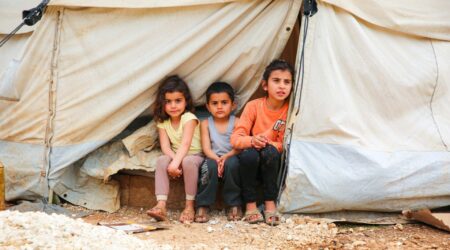
Understanding factors of risk and resilience in Syrian refugee children
Syrian refugee children face immense psychological challenges, yet not all succumb to mental health difficulties. This multi-system analysis explored how biological markers, such as stress hormone levels in hair and genetic profiles, might help predict which children are most vulnerable and which show resilience.

Tracking Resilience in Syrian Refugee Children and Adolescents
This study followed ~1,000 Syrian refugee children and adolescents living in Lebanon to understand how their mental health changed over the time span of a year. The findings highlight that resilience is not a fixed trait and is one that is deeply influenced by support systems. Such insights should be utilised to inform holistic interventions aimed at improving the mental health of refugees.
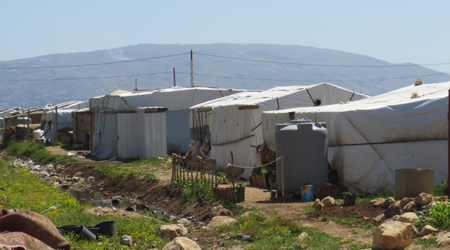
Investigating the Predictors of Psychological Risk and Resilience among Syrian Refugee Children
This cross-sectional research provides insight into the individual and social factors that drive resilience in refugee children, highlighting the factors that may contribute to their risk of mental health challenges in the future.