
Blog
An Integrative Developmental Model of Psychological Resilience in the Context of War and Displacement

Resilience is not a fixed personality trait but a dynamic process shaped by relationships, environments, biology, and time. Understanding how children adapt to adversity – especially refugee children exposed to war and displacement – requires a holistic, multi-level approach that considers multiple systems, individual differences in sensitivity, life course development, and social context.
Read MoreReview: Understanding the challenges of administering a structured psychiatric diagnostic interview to war-exposed children in a humanitarian setting
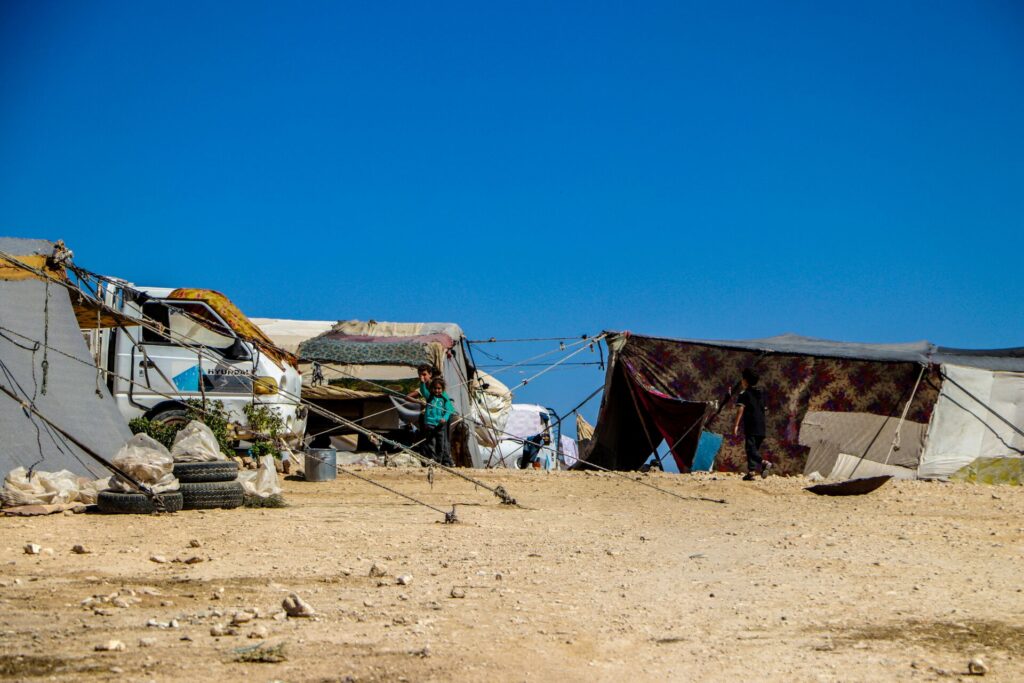
Reliable mental health assessment tools are essential for supporting children affected by conflict and displacement. This article reflected on the experience of adapting and administering a structured diagnostic interview, the MINI Kid, for Syrian refugee children and adolescents living in informal refugee settlements in Lebanon. This provided insights into the need for culturally and contextually sensitive approaches to ensure accurate, ethical, and effective care.
Read MoreWhat Drives Change in Children and Adolscents Receiving Telephone-Delivered Mental Health Intervention?

Although mental health interventions in humanitarian settings are expanding rapidly, the mechanisms driving change remain poorly understood. This study used a telephone-delivered version of the Common Elements Treatment Approach (CETA) with Syrian refugee children and adolescents. This revealed that treatment components, including trauma- and depression-focused modules, were drivers of change, with external circumstances and life events also playing a crucial role in shaping treatment outcomes.
Read MoreA Pilot Randomised Controlled Trial of Delivering Mental Health Care by Telephone in Humanitarian Settings
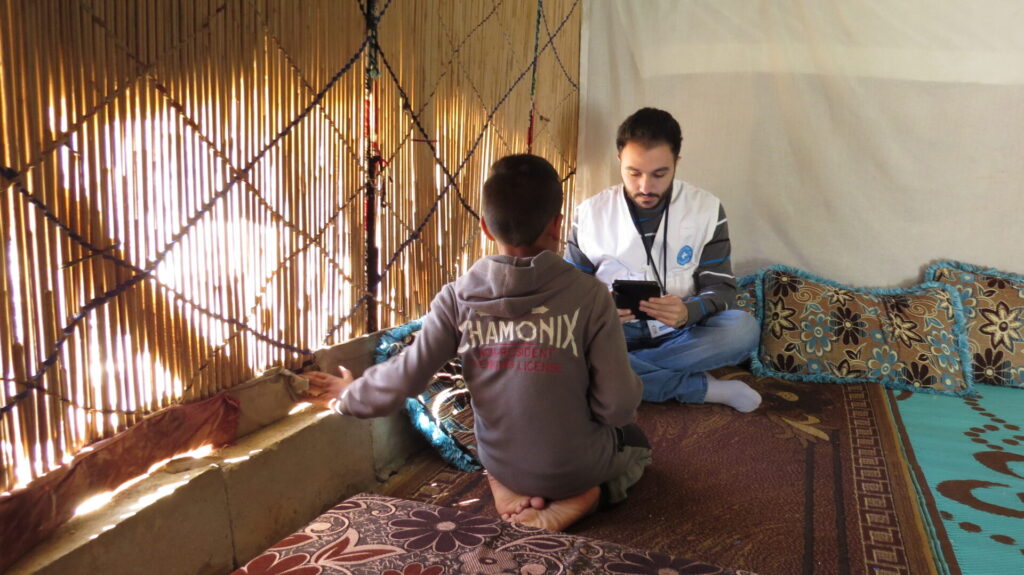
The pilot study investigated whether trained lay counsellors could deliver effective therapy over the phone to Syrian refugee children in Lebanon. The results reveal that remote therapy not only reduces mental health symptoms but also helps to overcome barriers such as transport, cost and stigma, offering a lifeline in humanitarian settings.
Read MoreUnderstanding factors of risk and resilience in Syrian refugee children
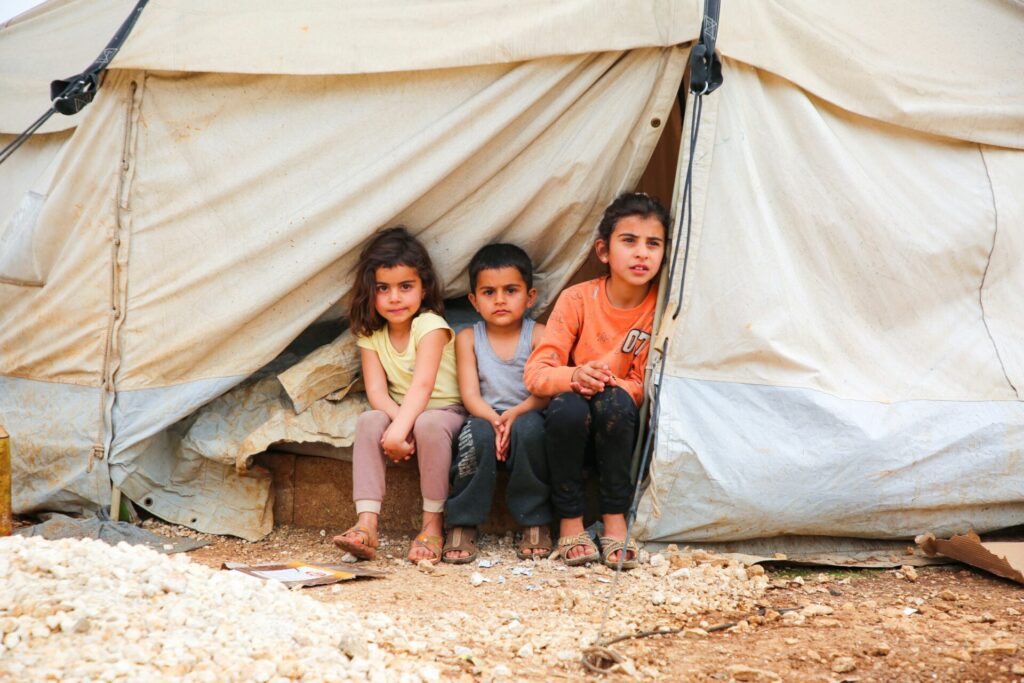
Syrian refugee children face immense psychological challenges, yet not all succumb to mental health difficulties. This multi-system analysis explored how biological markers, such as stress hormone levels in hair and genetic profiles, might help predict which children are most vulnerable and which show resilience.
Read MoreTracking Resilience in Syrian Refugee Children and Adolescents
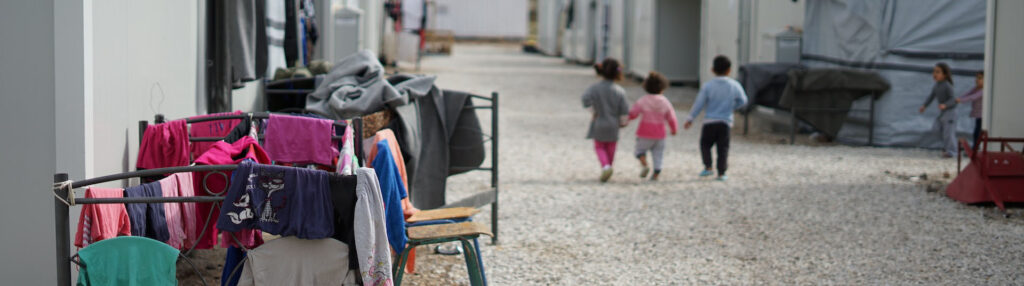
This study followed ~1,000 Syrian refugee children and adolescents living in Lebanon to understand how their mental health changed over the time span of a year. The findings highlight that resilience is not a fixed trait and is one that is deeply influenced by support systems. Such insights should be utilised to inform holistic interventions aimed at improving the mental health of refugees.
Read MoreMental Health Research among Syrian Refugees: Challenges and Solutions
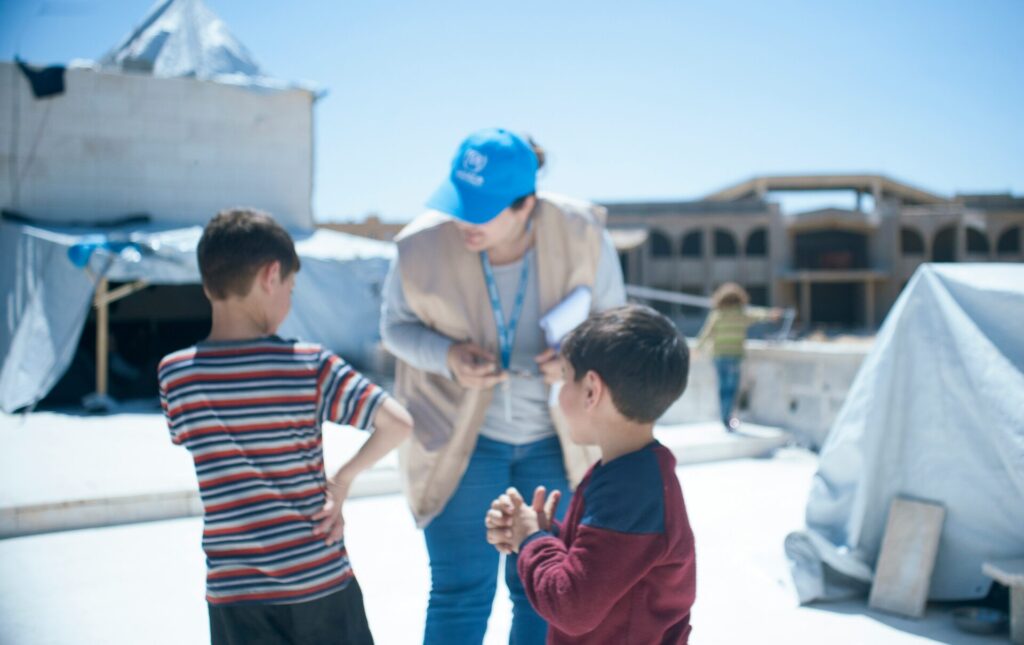
Conducting robust research on the mental health of Syrian refugees is both essential yet logistically challenging. Such research is critical for informing the planning and provision of effective support services for this population. This article presents two research initiatives – BIOPATH and T-CETA, as featured on the website – and discusses the methodological challenges encountered and lessons learned from conducting research in this context.
Read MoreHow Epigenetics Shapes Our Ability to Cope with Stress

Emerging research indicates that epigenetic mechanisms – biological processes that regulate gene expression without altering DNA sequences – may help explain why some individuals maintain psychological resilience in the face of adversity. A deeper understanding of these processes could inform more effective strategies for promoting mental health and preventing stress-related disorders.
Read MoreDNA Methylation Changes Correlated to War Trauma in Children and Adolescents
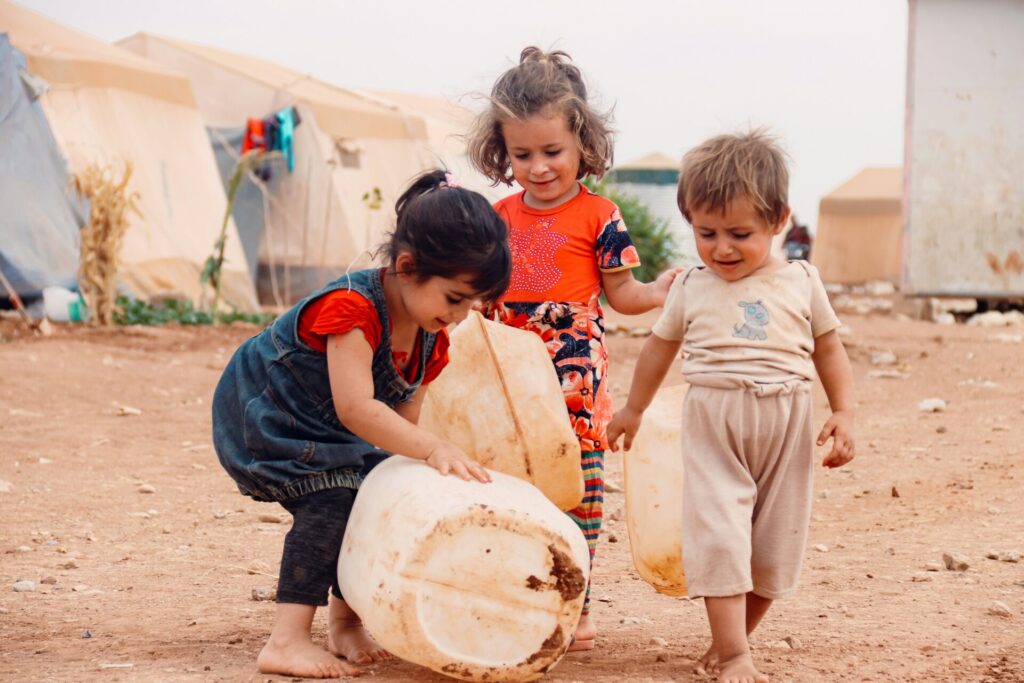
This study shows that exposure to war is not only emotionally scarring but may also leave a biological trace in children. Through exploring how war trauma affects DNA methylation in Syrian refugee youth, this research offers a new insight on how global mental health support can be tailored.
Read MoreInvestigating the Predictors of Environmental Sensitivity in Syrian Refugee Children
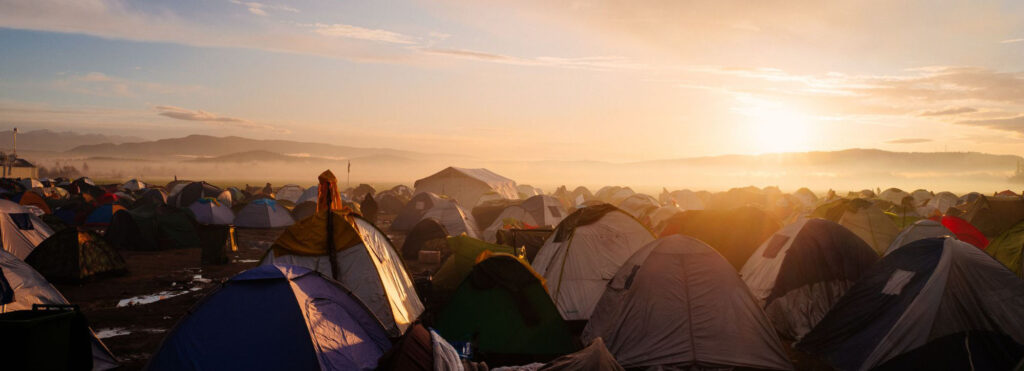
This study identifies key predictors of environmental sensitivity, showing that both adverse and supportive environments influence how Syrian refugee children perceive and process their surroundings. Understanding which children are more sensitive could help tailor interventions to better support the mental health and well-being of forcibly displaced children.
Read More